Merencanakan liburan pada era digital memberikan agoda-hotel lebih banyak kesempatan untuk menemukan akomodasi yang sesuai dengan kebutuhan. Wisatawan tidak lagi harus memilih hotel hanya berdasarkan rekomendasi dari orang terdekat atau lokasi yang terlihat menarik. Berbagai pilihan dapat dibandingkan terlebih dahulu berdasarkan lokasi, harga, fasilitas, tipe akomodasi, dan kebutuhan perjalanan. Dalam proses tersebut, agoda-hotel dapat menjadi salah satu pilihan platform untuk membantu mencari akomodasi sebelum perjalanan dimulai.
Agoda menyediakan pencarian untuk hotel, rumah, dan apartemen di berbagai destinasi. Platform tersebut juga menampilkan kategori perjalanan lain seperti penerbangan, aktivitas, transportasi bandara, dan eSIM, sehingga perencanaan perjalanan dapat dilakukan dengan cakupan yang lebih luas.
Mendapatkan hotel terbaik bukan selalu berarti menemukan pilihan dengan tarif paling murah. Hotel yang ideal adalah akomodasi yang mampu memberikan keseimbangan antara anggaran, lokasi, fasilitas, kenyamanan, dan kebutuhan selama perjalanan. Karena itu, diperlukan pendekatan yang lebih progresif dan terencana ketika memilih agoda-hotel untuk liburan mendatang.
Tentukan Karakter Liburan Sejak Awal
Langkah pertama adalah menentukan seperti apa perjalanan yang ingin dilakukan. Liburan keluarga, perjalanan bersama teman, bulan madu, perjalanan solo, atau wisata singkat memiliki kebutuhan akomodasi yang berbeda.
Jika perjalanan lebih banyak dihabiskan untuk menjelajahi pusat kota, lokasi strategis dapat menjadi prioritas. Sebaliknya, wisatawan yang menginginkan ketenangan mungkin lebih tertarik pada penginapan yang berada jauh dari pusat keramaian.
Dengan menentukan karakter perjalanan sejak awal, pencarian agoda-hotel menjadi lebih terarah. Wisatawan tidak perlu menghabiskan terlalu banyak waktu melihat pilihan yang sebenarnya tidak sesuai dengan kebutuhan.
Tentukan Anggaran Secara Realistis
Anggaran merupakan fondasi penting dalam memilih akomodasi. Sebelum melakukan pencarian, tentukan batas pengeluaran yang dapat dialokasikan untuk hotel. Perhitungan tersebut sebaiknya tidak hanya mempertimbangkan harga kamar, tetapi juga kebutuhan perjalanan lainnya.
Anggaran yang realistis membuat proses pencarian agoda-hotel menjadi lebih efisien. Wisatawan dapat menyaring pilihan berdasarkan kisaran harga yang sesuai sehingga perhatian dapat diarahkan pada akomodasi yang benar-benar memungkinkan untuk dipesan.
Namun, jangan langsung memilih harga terendah. Tarif murah belum tentu menjadi pilihan paling menguntungkan jika lokasinya jauh dari destinasi utama atau fasilitas yang dibutuhkan tidak tersedia.
Pilih Lokasi Berdasarkan Rencana Aktivitas
Lokasi hotel memiliki pengaruh besar terhadap pengalaman liburan. Hotel yang berada di kawasan strategis dapat mengurangi waktu perjalanan menuju tempat wisata, pusat kuliner, area belanja, atau fasilitas transportasi.
Saat mencari agoda-hotel, pertimbangkan jarak antara akomodasi dan tempat-tempat yang menjadi bagian dari agenda. Jika itinerary mencakup banyak lokasi berbeda, pilih kawasan yang memiliki akses transportasi relatif mudah.
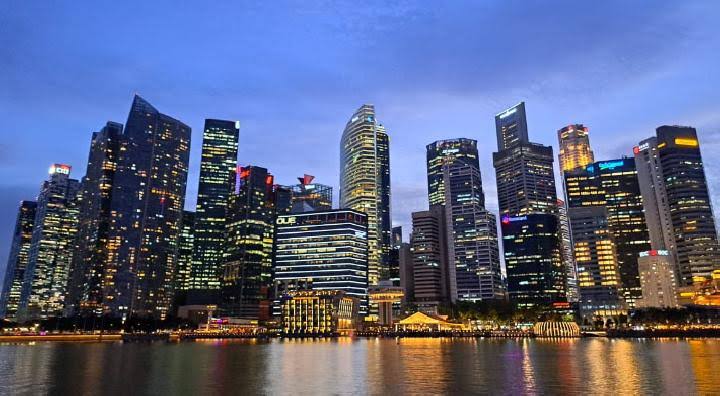
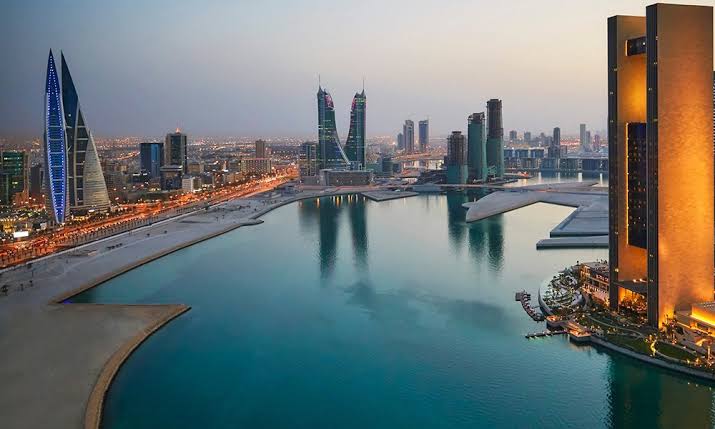
Agoda menampilkan berbagai destinasi dan pilihan akomodasi di banyak wilayah, termasuk sejumlah destinasi Asia seperti Bali, Bangkok, Jakarta, Kuala Lumpur, dan Singapura.
Lokasi yang tepat dapat memberikan keuntungan lebih dari sekadar menghemat waktu. Wisatawan dapat memiliki lebih banyak kesempatan untuk menikmati destinasi tanpa terlalu banyak waktu terbuang di perjalanan.
Gunakan Pilihan Akomodasi Sesuai Kebutuhan
Hotel bukan satu-satunya jenis akomodasi yang tersedia. Untuk perjalanan tertentu, rumah atau apartemen dapat memberikan ruang dan suasana yang berbeda.
Platform Agoda saat ini menampilkan kategori Hotels & Homes serta pilihan seperti apartemen, vila, bungalow, dan vacation rental di sejumlah destinasi.
Karena itu, pencarian agoda-hotel sebaiknya tidak dilakukan secara terlalu sempit. Jika kebutuhan perjalanan mengharuskan ruang yang lebih luas, wisatawan dapat mempertimbangkan tipe akomodasi alternatif.
Pendekatan ini membuat proses memilih tempat menginap menjadi lebih fleksibel. Pilihan akhir dapat ditentukan berdasarkan kebutuhan nyata, bukan hanya berdasarkan label hotel.
Perhatikan Fasilitas yang Benar Benar Dibutuhkan
Setiap wisatawan memiliki prioritas fasilitas yang berbeda. Ada yang mengutamakan sarapan, kolam renang, koneksi internet, tempat parkir, ruang kerja, atau akses tertentu. Menentukan fasilitas prioritas sejak awal dapat mempercepat proses seleksi.
Ketika menemukan kandidat agoda-hotel, periksa informasi fasilitas yang tercantum dan sesuaikan dengan kebutuhan perjalanan. Jangan menganggap sebuah fasilitas tersedia hanya karena terlihat dari foto atau deskripsi singkat.
Misalnya, wisatawan yang membawa kendaraan perlu memastikan kebutuhan parkirnya sesuai. Sementara itu, pelancong yang harus bekerja selama perjalanan dapat memberikan perhatian lebih terhadap koneksi internet dan area kerja.
Bandingkan Beberapa Pilihan Sebelum Memutuskan
Memilih hotel secara terburu-buru dapat membuat wisatawan kehilangan kesempatan menemukan pilihan yang lebih sesuai. Karena itu, buatlah daftar beberapa kandidat terlebih dahulu.
Bandingkan harga, lokasi, fasilitas, tipe kamar, kebijakan reservasi, dan penilaian pengguna. Agoda juga menyediakan halaman promosi akomodasi pada platformnya, sehingga calon tamu dapat memeriksa penawaran yang tersedia ketika melakukan pencarian.
Dalam memilih agoda-hotel, perbandingan tidak perlu dilakukan terhadap puluhan properti. Beberapa kandidat yang paling sesuai sudah cukup untuk menghasilkan keputusan yang lebih terukur.
Baca Ulasan dengan Perspektif yang Lebih Kritis
Ulasan tamu dapat memberikan gambaran tambahan mengenai pengalaman menginap. Namun, jangan hanya memperhatikan skor keseluruhan. Perhatikan tema yang berulang dalam komentar pengguna, seperti kebersihan, lokasi, pelayanan, kondisi kamar, atau tingkat kebisingan.
Pendekatan tersebut membantu wisatawan mendapatkan gambaran yang lebih realistis tentang agoda-hotel yang sedang dipertimbangkan. Ulasan yang relevan dengan kebutuhan pribadi akan lebih berguna daripada sekadar melihat angka penilaian.
Jika sebuah fasilitas sangat penting, cari komentar yang secara khusus membahas fasilitas tersebut. Dengan cara ini, keputusan menjadi lebih berdasarkan informasi daripada sekadar kesan visual.
Periksa Ketentuan Reservasi Sebelum Membayar
Tahap yang tidak kalah penting adalah membaca ketentuan pemesanan. Perhatikan waktu check-in dan check-out, kebijakan pembatalan, tipe kamar, jumlah tamu, serta ketentuan pembayaran.
Beberapa penawaran dapat memiliki aturan berbeda. Karena itu, ketika melakukan pemesanan agoda-hotel, jangan hanya melihat angka harga yang muncul pertama kali. Pastikan rincian reservasi telah sesuai dengan rencana perjalanan.
Membaca ketentuan sejak awal dapat mengurangi risiko kesalahpahaman dan membuat perjalanan lebih tenang.
Manfaatkan Perencanaan Lebih Awal
Perencanaan lebih awal memberikan ruang untuk membandingkan berbagai pilihan. Wisatawan tidak perlu mengambil keputusan hanya karena waktu keberangkatan sudah semakin dekat.
Dengan mulai mencari agoda-hotel sejak itinerary mulai terbentuk, calon tamu dapat mengevaluasi beberapa lokasi dan tipe akomodasi secara lebih santai. Agoda juga menyediakan destination guides untuk sejumlah destinasi yang dapat digunakan sebagai bagian dari perencanaan perjalanan.
Perencanaan awal juga memungkinkan wisatawan menyesuaikan pilihan hotel dengan agenda perjalanan secara keseluruhan.
Jadikan Kenyamanan sebagai Prioritas
Harga memang penting, tetapi kenyamanan seharusnya tetap menjadi bagian utama dari keputusan. Hotel yang sedikit lebih mahal dapat menjadi pilihan yang lebih baik apabila lokasinya strategis, fasilitasnya sesuai, dan mampu mendukung aktivitas selama perjalanan.
Dalam memilih agoda-hotel, pikirkan pengalaman secara keseluruhan. Setelah seharian berjalan-jalan, wisatawan membutuhkan tempat untuk beristirahat dengan nyaman. Penginapan yang tepat dapat membuat energi lebih mudah dipulihkan dan perjalanan berikutnya terasa lebih menyenangkan.
Membangun Strategi Pemesanan yang Lebih Cerdas
Memilih hotel terbaik untuk liburan mendatang membutuhkan lebih dari sekadar mencari harga termurah. Wisatawan perlu menentukan kebutuhan, menetapkan anggaran, memperhatikan lokasi, membandingkan fasilitas, membaca ulasan, serta memahami ketentuan reservasi.
agoda-hotel dapat menjadi salah satu sarana untuk menjalankan proses tersebut secara lebih praktis karena menyediakan beragam pilihan akomodasi dan destinasi dalam satu platform.
Dengan pendekatan yang progresif, proses memilih hotel dapat menjadi bagian dari perencanaan perjalanan yang lebih strategis. Bukan hanya mencari tempat untuk bermalam, tetapi menentukan akomodasi yang mendukung keseluruhan pengalaman liburan.
Pada akhirnya, hotel terbaik adalah pilihan yang paling sesuai dengan kebutuhan dan kondisi perjalanan. Dengan membandingkan pilihan secara cermat dan melakukan reservasi berdasarkan informasi yang jelas, wisatawan dapat mempersiapkan liburan mendatang dengan lebih percaya diri dan terarah.







































































































































































































Recent Comments